
What Is Yoga Nidra? Benefits of Deep Rest for Stress, Sleep and Mental Health
Discover what Yoga Nidra is and how this ancient practice of deep rest can support stress, sleep and mental health.
Yoga Nidra, also known as yogic sleep and increasingly associated with Non-Sleep Deep Rest (NSDR), allows the body to deeply rest while awareness remains present. Explore the benefits of Yoga Nidra for nervous system regulation, emotional wellbeing, mental clarity and restorative sleep.
And discover how slowing down can create space to reconnect with ourselves beneath the busyness of everyday life.
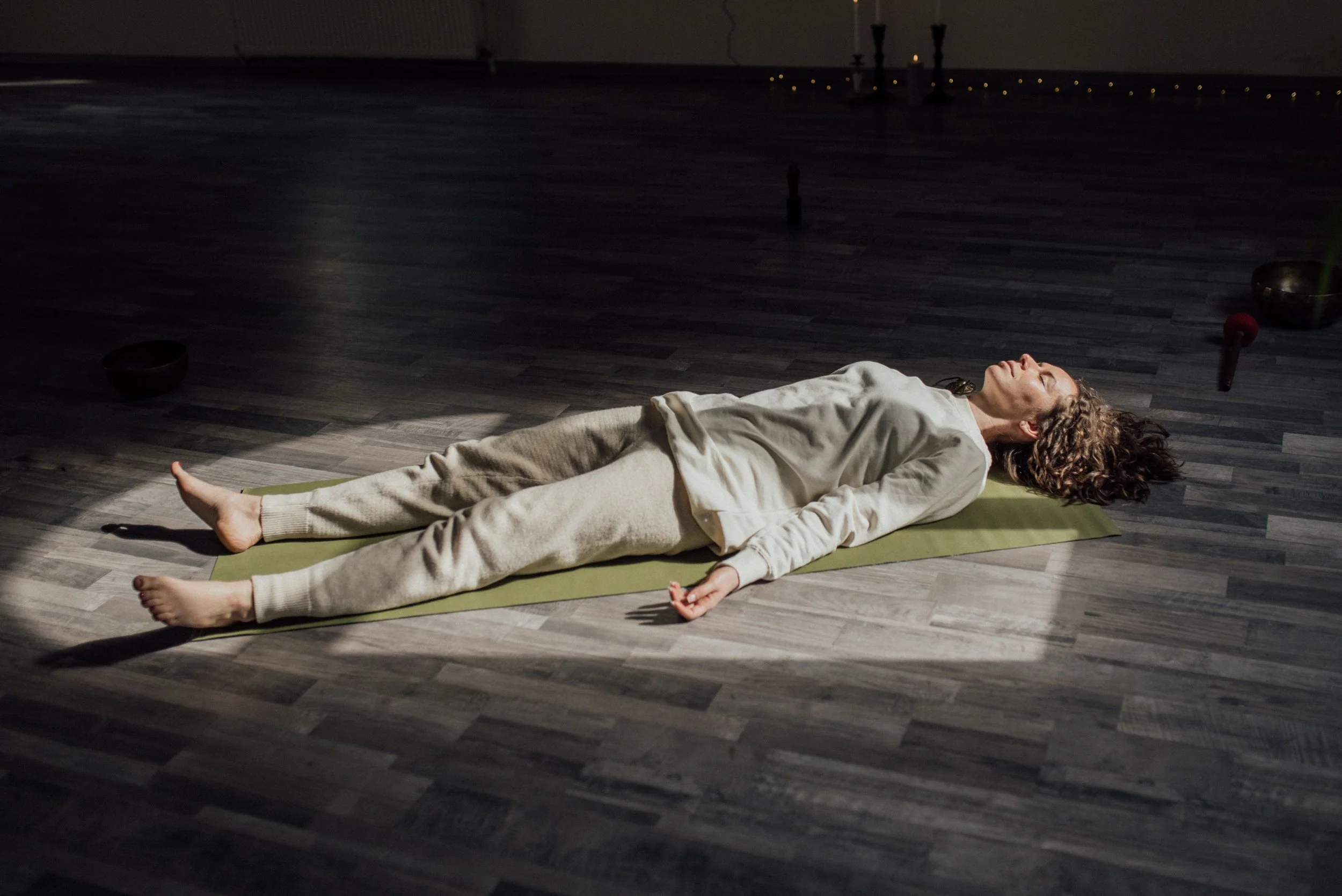
A client recently arrived for a session exhausted. Far beyond the kind of tiredness that disappears after a good night's sleep. The deeper kind. The kind that comes from carrying responsibilities, caring for others, managing work, navigating relationships and holding everything together for longer than our nervous system was designed to.
As we spoke, they shared something I hear often: "I just want to switch my mind off." Perhaps you can relate.
Many of us know how to keep going. Many of us know how to push through. Many of us know how to care for everyone else. Yet very few of us were taught how to truly rest. This is one of the reasons I love Yoga Nidra.
What is Yoga Nidra?
Yoga Nidra is often translated as "yogic sleep," although it is a unique state of conscious rest rather than ordinary sleep. It is a guided practice that invites us into a state between wakefulness and sleep, where the body can rest deeply while awareness remains present.
What I find most beautiful about Yoga Nidra is its simplicity. You lie down. You listen. You allow yourself to be guided. There is nowhere to get to. Very little to achieve. Nothing to perform.
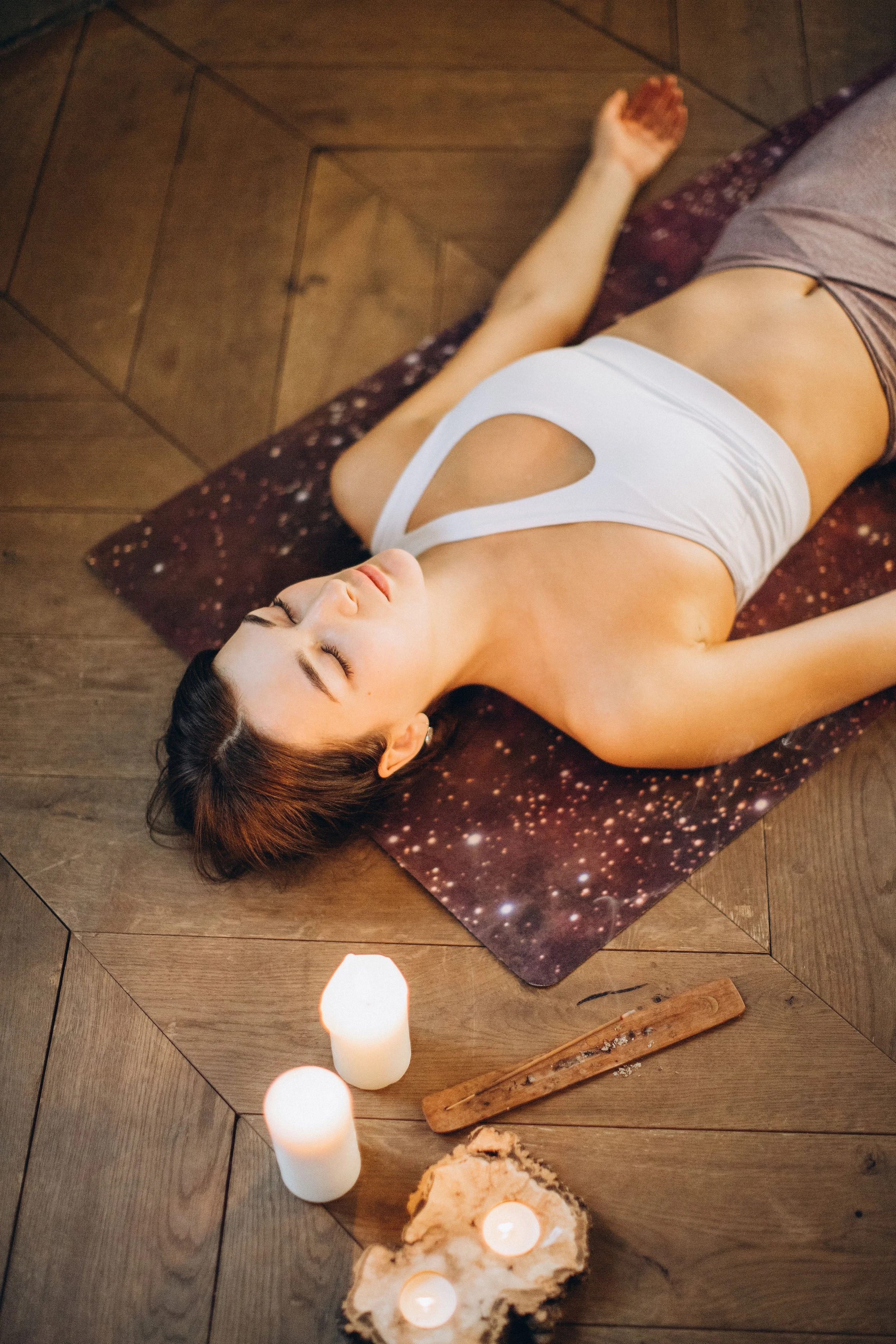
One of the beautiful things about Yoga Nidra is how accessible it has become.
You can find guided Yoga Nidra practices on YouTube and Spotify, through meditation apps and online courses, or attend guided sessions at yoga studios and wellness spaces.
You may like to explore a few different teachers and styles and notice which voice, pace, length, focus and approach feels most supportive for you. There is no single way to practise Yoga Nidra. It can be ten minutes at home, a longer guided recording before sleep, or part of a regular class or personal home ritual.
The invitation is to discover what works for you and create a practice you can return to independently.
“Recently, Yoga Nidra has become more widely known through the term NSDR (Non-Sleep Deep Rest). While modern science is exciting, the practice itself has been supporting human bodies and beings for thousands of years.”
Why Does It Feel So Powerful?
Many of us spend much of our lives in a state of subtle vigilance. Our minds are planning. Preparing. Remembering. Problem-solving. Even during moments that look like rest from the outside, our nervous system can remain highly activated.
Yoga Nidra creates an opportunity for something different. As awareness moves through the body and attention settles on the breath, the nervous system begins receiving a message that many of us rarely hear: You are safe. You can soften. You can let go for a little while.
From that place, restoration begins naturally. Many of us rarely experience a level of rest that goes below our habitual stress baseline.
True deep rest allows the mind and body to move into a state of physiological restoration that helps counter the effects of chronic stress.
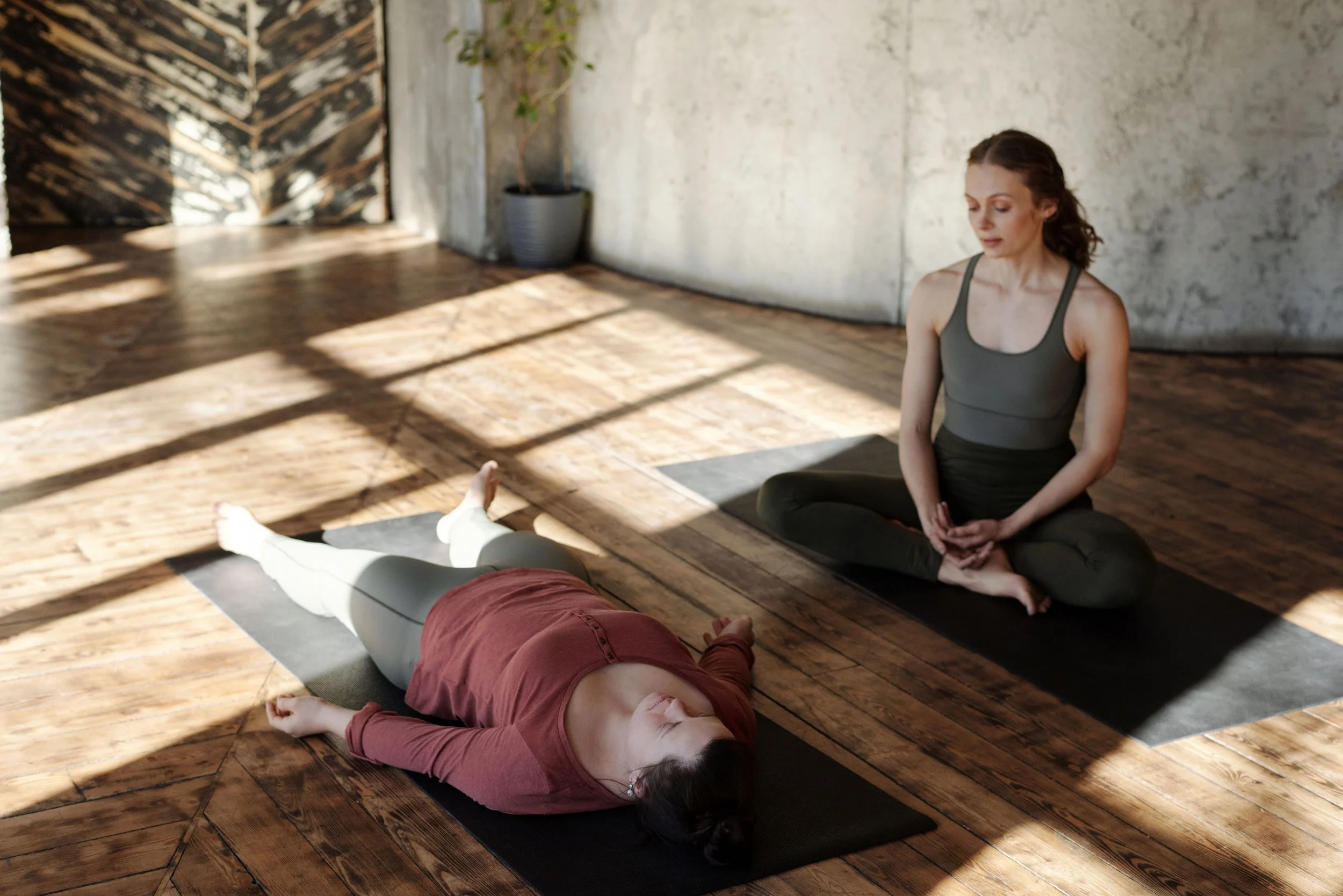
The Science of Yoga Nidra and Deep Rest
While many of us are drawn to Yoga Nidra because it helps us feel calmer, you may find that its benefits extend far beyond relaxation. Research into Yoga Nidra and NSDR suggests that regular practice reduces stress and anxiety, improves emotional regulation and self-awareness, and builds resilience over time.
It is difficult to sleep deeply when the mind remains active. You may find that practising Yoga Nidra before bed helps you unwind and transition more easily into sleep. For those of us who struggle with racing thoughts at night.
Yoga Nidra can offer a gentle bridge between the busyness of the day and the restorative rest of sleep.
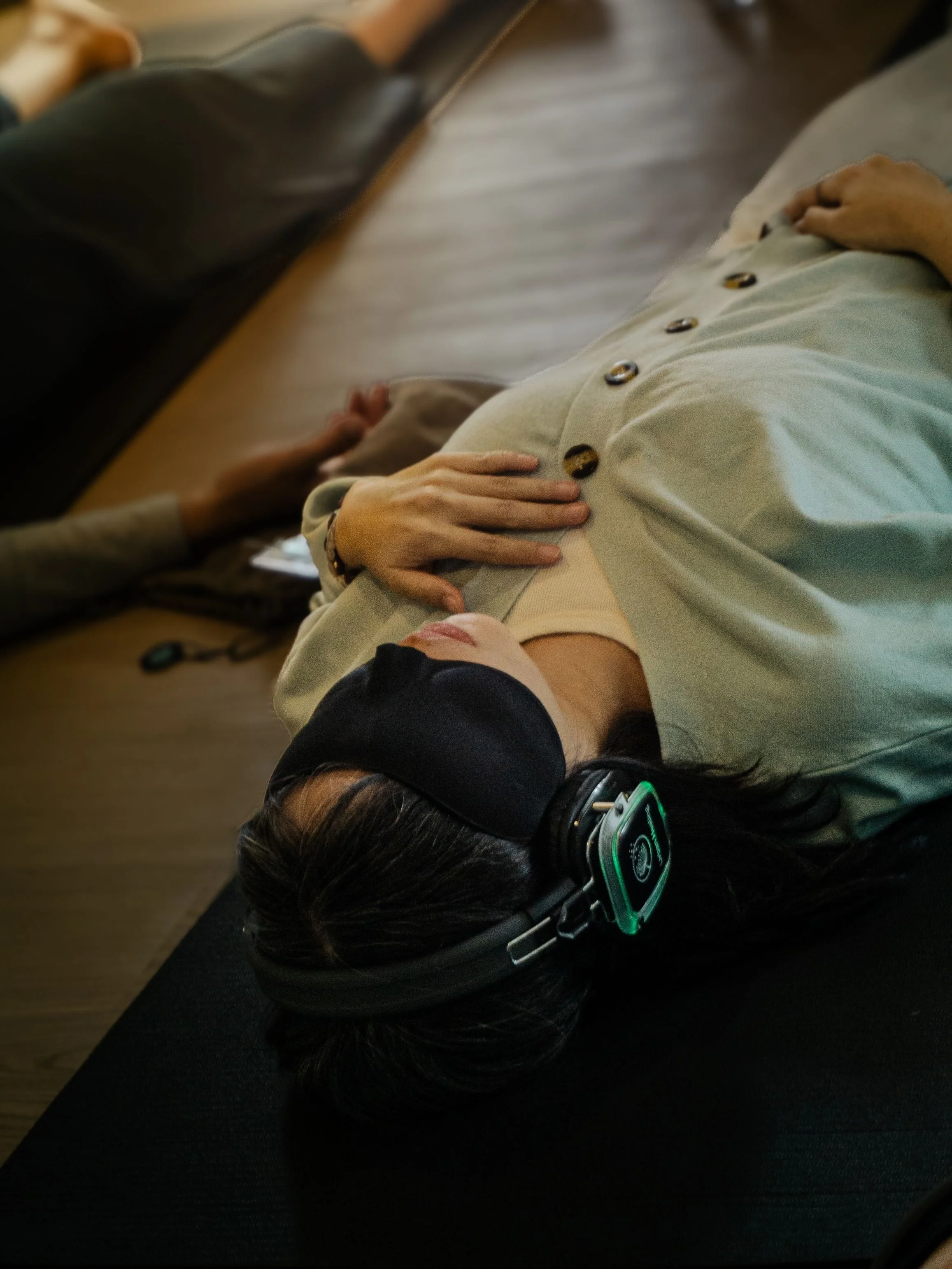
Yoga Nidra for Stress and Nervous System Regulation
Many activities we consider relaxing are enjoyable, but they do not always provide deep restoration.
Watching television, scrolling on a phone or even engaging in leisure activities can still keep our minds active and stimulated.
Yoga Nidra is different. It invites us to take a complete pause from doing, planning and processing. Rather than simply taking a break. It creates space for your nervous system to settle into a deeper state of rest that many of us rarely experience in daily life.
“Some researchers suggest that NSDR practices supports healthy dopamine regulation and cerebral blood flow.”
Yoga Nidra, NSDR and Neuroplasticity
Neuroplasticity refers to our brain's remarkable ability to adapt, learn and create new neural pathways throughout life.The visualisation and awareness practices used in Yoga Nidra supports emotional balance and mental clarity by encouraging the brain to shift into a more receptive and restorative state.
Over time, many people find these practices help them feel more connected to themselves and better able to respond to life's challenges with greater ease.
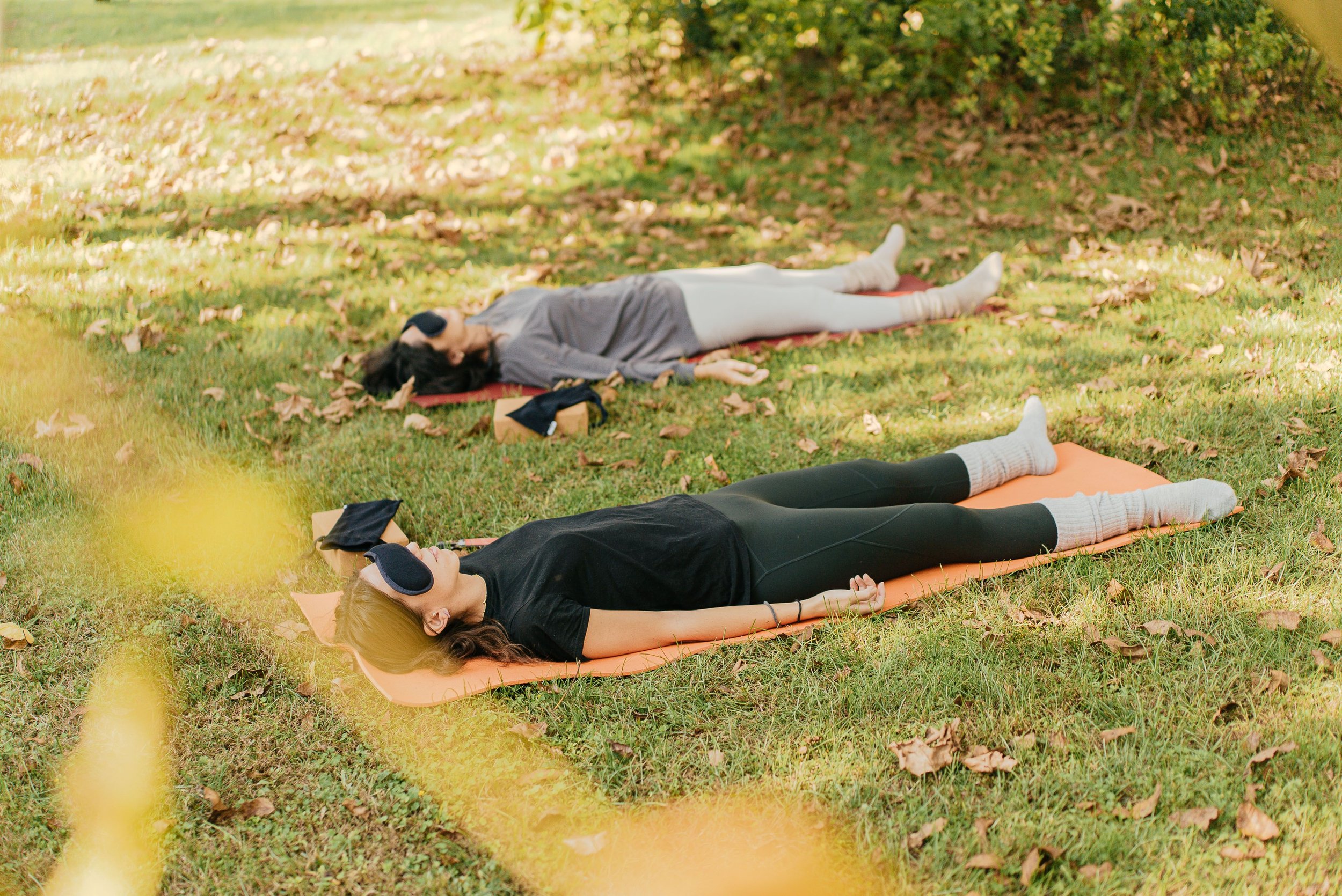
One of the paradoxes of rest is that when we step away from constant effort, we often think more clearly. When our stress levels decrease, our sleep improves and our brains have an opportunity to recover. We notice greater mental clarity, creativity and focus.
Helping us replenish resources that are often depleted by constant stimulation and stress. In other words, sometimes the most productive thing we can do for ourselves is rest.
Yoga Nidra for Self-Awareness and Emotional Wellbeing
What continues to amaze me is that many of us arrive at Yoga Nidra searching for relaxation and discover something much deeper. They discover more of themselves. In the stillness, beneath the noise of everyday life, there is often a gentle reconnection with our own inner knowing.
The answers we have been chasing. The feelings and emotions (energies) we have been avoiding. The wisdom that has quietly been waiting beneath all the busyness.
Many clients share that after regular Yoga Nidra practice they feel clearer, calmer and more connected to their body and being. Rather than somebody giving them the answers. They finally have enough space to receive their own.
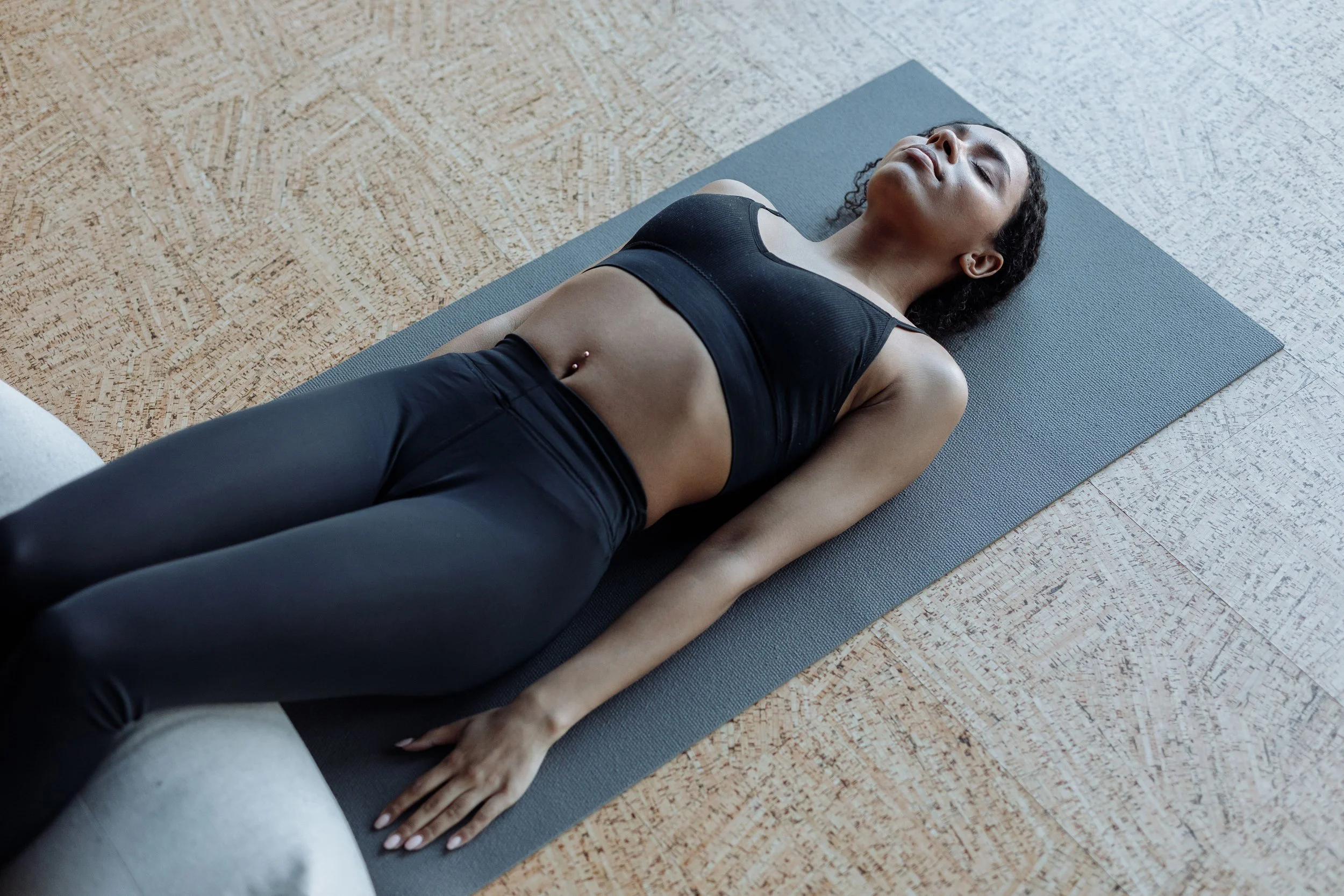
Yoga Nidra as an Embodiment Practice for Nervous System Regulation
An important part of my work at True For You is helping people discover embodiment practices they can use independently in everyday life.
Yoga Nidra is one of those practices.
Rather than looking outside ourselves for the answer, practices like Yoga Nidra create space to become more aware of what our body and being already know.
We can initiate the practice ourselves. We can choose when we use it. And we can begin noticing what changes when we give ourselves enough space to receive rather than constantly doing, thinking and working things out.
This is where embodiment becomes practical.We take awareness beyond the therapy room and begin exploring it through the choices we make, the rituals we create and the relationship we develop with our own body and knowing.
What becomes possible when we give ourselves the space to hear what we already know?
Yoga Nidra can be one simple practice for finding out.